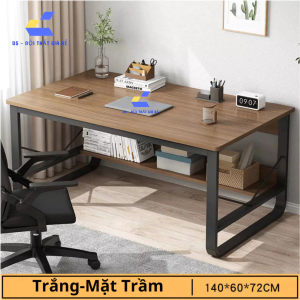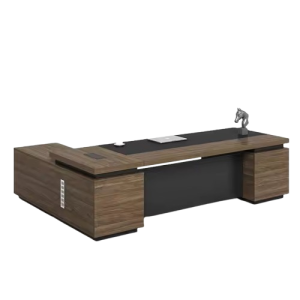


Bàn học, Bàn làm việc có kệ lửng
Giá gốc là: 1.500.000 ₫.750.000 ₫Giá hiện tại là: 750.000 ₫.
-50%

As interior design continues to intersect with cutting-edge technology, industry professionals and homeowners alike are seeking innovative solutions that streamline workflows, enhance visualization, and expand creative horizons. The proliferation of dedicated digital applications signifies a transformative shift—we are witnessing a new era where intuitive design tools empower users to experiment visually and make informed decisions […]

NOITHATDS
02 Tháng 9, 2025


As interior design continues to intersect with cutting-edge technology, industry professionals and homeowners alike are seeking innovative solutions that streamline workflows, enhance visualization, and expand creative horizons. The proliferation of dedicated digital applications signifies a transformative shift—we are witnessing a new era where intuitive design tools empower users to experiment visually and make informed decisions with greater confidence.
Historically, interior design relied heavily on manual sketches, physical samples, and on-site adjustments—a process often characterized by laborious iterations and limited immediacy. The advent of computer-aided design (CAD) in the late 20th century revolutionized this landscape, enabling architects and designers to create detailed plans rapidly. However, early CAD tools often demanded extensive technical expertise, creating a barrier for casual users and homeowners interested in participating in the design process.
Over the past decade, a new class of mobile-friendly design applications has emerged, democratizing interior design by offering accessible, easy-to-use interfaces. Such applications combine the power of professional-grade tools with the simplicity required for everyday use, fostering greater engagement across the design spectrum. They enable rapid visualization of color schemes, furniture layouts, and decor choices—transforming the conceptual into the tangible at a smartphone scale.
| Parameter | Findings |
|---|---|
| Market Growth | Expected CAGR of 12.5% from 2020 to 2027 (Source: Grand View Research) |
| User Engagement | Over 65% of homeowners aged 25–45 have used interior design apps for renovation planning (Source: Statista, 2022) |
| Key Features | 3D visualization, AR integration, color palette simulation, furniture placement |
| Major Players | Houzz, MagicPlan, Roomstyler, Tint Mix Paint App |
Mobile applications enable users to experiment with color schemes, furniture ideas, and spatial arrangements without costly in-person trials. For instance, tailored color matching tools allow homeowners to preview paint palettes with high fidelity—taking into account lighting and room size—before purchasing supplies. The immediacy and convenience reduce decision fatigue and elevate the overall satisfaction of the design process.
Interior designers increasingly integrate mobile applications into their standard practices. By leveraging these tools, they can create client presentations with realistic renderings on-site, gather instant feedback, and iterate designs rapidly. This accelerates project timelines and enhances communication, providing a competitive edge in a crowded marketplace. Digital apps also serve as collaborative platforms that streamline sharing and enable remote consultations, especially pertinent in today’s increasingly virtual environment.
Augmented reality (AR) and virtual reality (VR) are poised to further transform the interior design landscape. By overlaying digital images onto physical spaces, AR tools give clients immersive previews of redesigned interiors, increasing confidence and reducing revisions. Manufacturers are now integrating these features into mobile apps, offering a seamless transition from idea to execution.
Among many available options, specialized apps like the discover the Tint Mix Paint app mobile version exemplify industry innovation. These tools are designed specifically for nuanced tasks such as precise color matching, blending digital color palettes with real-world paint products. They create an authoritative bridge between digital accuracy and tangible outcomes, empowering users to make expert-level choices effortlessly.
“The integration of dedicated mobile apps into interior design reflects a broader shift towards democratized customization—where the boundary between professional tools and consumer accessibility increasingly blurs.”
The digital revolution in interior design is fundamentally altering how spaces are conceptualized, visualized, and realized. As applications become more sophisticated, affordable, and user-focused, they enable a democratization of design expertise—empowering everyone from seasoned professionals to DIY enthusiasts. Physical samples and manual sketches remain valuable, but the agility, accuracy, and immediacy of modern apps are setting a new standard for quality, speed, and creative freedom in interior design processes.